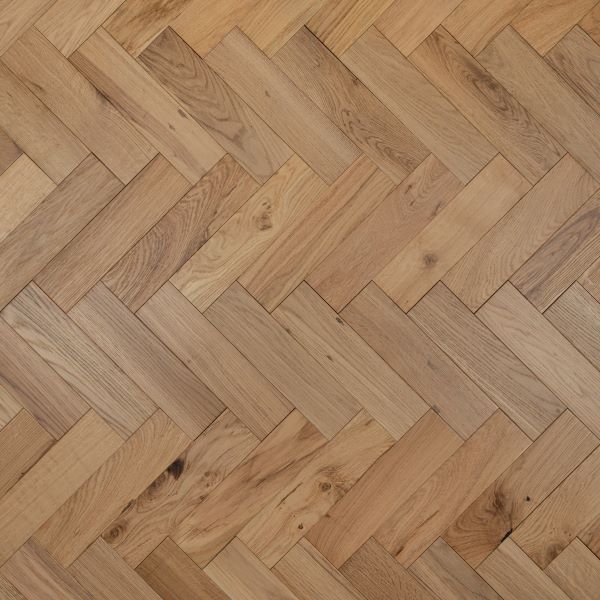
Herringbone flooring has been a symbol of elegance since the Roman Empire. Now, this classic pattern is experiencing a major revival in British homes. Here's why herringbone should be on your radar.
A Brief History
The herringbone pattern gets its name from its resemblance to the skeleton of a herring fish. It was first used in Roman roads for its structural integrity, and later adopted for flooring in European palaces and stately homes during the 16th century.
Why Herringbone Is Trending
Several factors are driving the herringbone revival:
- Instagram appeal: The pattern photographs beautifully
- Property value: It's seen as a premium upgrade
- Versatility: Works with both traditional and modern interiors
- More accessible: Now available in LVT and laminate, not just solid wood
Herringbone vs Chevron
Often confused, these patterns are subtly different:
- Herringbone: Rectangular planks laid at 90-degree angles, creating a broken zigzag
- Chevron: Planks cut at an angle to create a continuous V-shape
Herringbone is generally more traditional and forgiving to install, while chevron offers a more contemporary, pointed look.
Material Options
You can achieve the herringbone look with various materials:
- Solid oak: The classic choice, refinishable for life
- Engineered wood: More stable, easier installation
- LVT: Affordable, waterproof, perfect for any room
- Laminate: Budget-friendly option
Installation Considerations
Herringbone installation is more complex than standard plank flooring:
- Requires more precise subfloor preparation
- Takes longer to install (allow 30% more time)
- Creates more waste (budget for 15% extra material)
- Always use a professional installer
Is Herringbone Right for You?
Herringbone works in almost any room, but it's particularly stunning in:
- Hallways and entrance halls
- Open-plan living spaces
- Dining rooms
- Master bedrooms
Considering herringbone for your home? We've installed hundreds of herringbone floors across Surrey, Sussex, Kent and London. Contact us for a free quote and samples.